
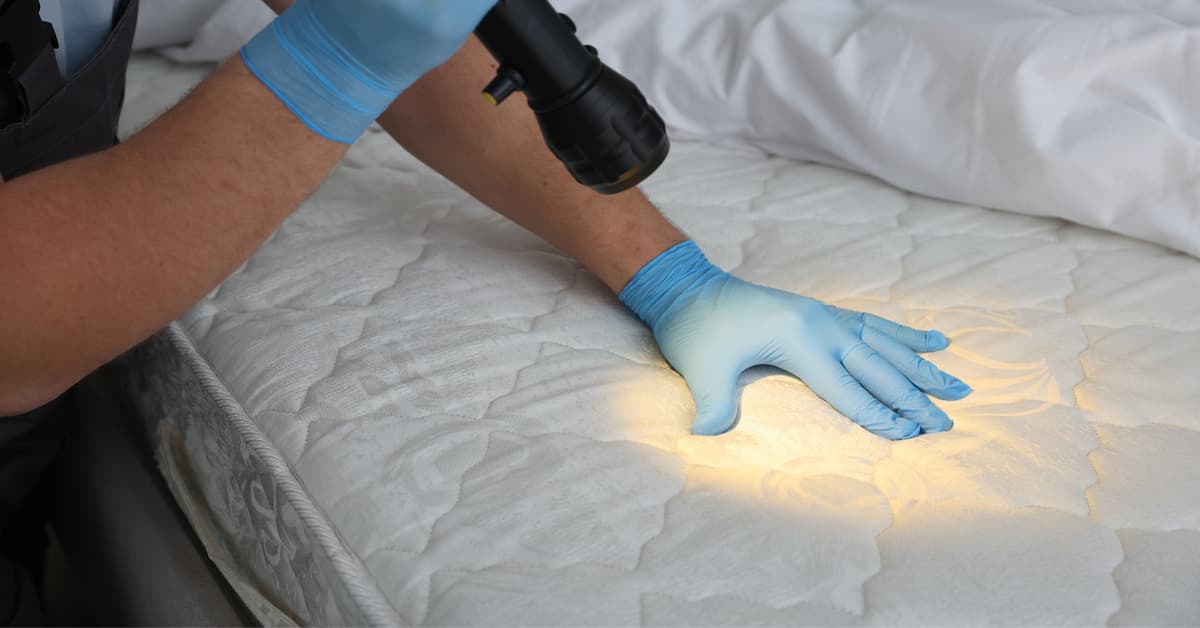
One of the most common questions X-Pest hears after a bed bug service is whether the treatment actually worked. Bed bugs are uniquely stressful pests because they are difficult to detect, easy to misread, and capable of surviving in hiding for extended periods. Knowing what to look for after treatment gives Boise residents the confidence to monitor accurately rather than assume the worst at every itch or mark.
What Signs Show That Bed Bug Treatment Has Been Successful
Successful bed bug treatment in Boise does not always mean the pests vanish overnight. The signs of an effective treatment develop over days and weeks, not hours. Here is what to look for:
No new bites after the first week: Bite reactions vary from person to person, and existing bites will continue to appear for several days post-treatment as the skin responds. New bites appearing consistently after the first week are a more reliable indicator that live bugs remain.
Dead bugs in treated areas: Finding dead bed bugs in the days following treatment is normal and expected. It confirms the treatment is working its way through the population. Dead bugs may appear along baseboards, in mattress seams, or in furniture crevices where activity was concentrated.
No new fecal spotting: Bed bugs leave behind small rust-colored or dark spots on mattresses, bedding, and upholstered furniture. After successful treatment, existing spots may remain, but no new spots should appear. Check the same areas consistently to establish a baseline.
No shed skins or fresh eggs: Bed bugs shed their exoskeletons as they progress through their life cycle. Finding cast skins after treatment is normal in the short term. Finding new, intact eggs or freshly shed skins several weeks post-treatment indicates surviving bugs are still active and reproducing.
Interceptors catching nothing: Bed bug interceptors placed under furniture legs are one of the most reliable post-treatment monitoring tools available. Activity dropping to zero on interceptors over two to three weeks is a strong indicator that the population has been eliminated.
How Do You Know If Bed Bugs Are Completely Gone After Treatment
The honest answer is that confirmation takes time. There is no single moment after bed bug treatment in Boise where you can declare with certainty that every bug is gone. What you are looking for is a consistent absence of evidence across multiple indicators over a defined monitoring window.
For heat treatments, which raise the temperature throughout the treated space high enough to kill all life stages, including eggs, confirmation can come relatively quickly. Most homeowners see activity stop within 7 to 14 days when heat treatment is performed correctly. Chemical treatments work differently because they rely on bugs making contact with treated surfaces over time. Eggs that survive the initial application hatch later and must cross residual treatment to be eliminated, which means the confirmation window extends further, typically three to four weeks of consistent monitoring.
Two to three weeks with no new bites, no live bugs on interceptors, and no fresh signs of activity is a reasonable threshold for confidence that treatment was successful. A professional follow-up inspection at that point removes remaining uncertainty.
How Long Should Boise Residents Monitor for Bed Bugs After Treatment
Monitoring should continue for a minimum of three to four weeks following the final treatment visit. This window accounts for the full egg-to-nymph cycle and gives residual treatments time to work through any bugs that were not directly contacted during the initial application.
During the monitoring period:
- Check interceptors under bed legs and furniture weekly and log any findings
- Inspect mattress seams, box spring edges, and headboard joints every seven to ten days
- Wash and dry bedding on high heat weekly to eliminate any surviving bugs or eggs on the fabric
- Avoid bringing secondhand furniture, luggage stored in shared spaces, or clothing from high-risk environments into the home until monitoring is complete
The length of the original infestation also affects how long monitoring should continue. A localized infestation caught early may clear within two to three weeks. A longer-standing or multi-room infestation warrants monitoring closer to six weeks to confirm full elimination. Your bed bug exterminator in Boise should provide specific guidance based on the scope of your treatment.
What Should You Do If Bed Bugs Appear Again After Treatment
Finding a live bed bug after treatment is alarming, but it does not automatically mean the treatment failed. The first step is to determine whether the bug is a survivor from the original infestation or a reintroduction from an outside source.
A single bug appearing within the first two weeks of a chemical treatment may simply be a newly hatched nymph making contact with residual product. This is part of the expected process. A live bug appearing four or more weeks after treatment, particularly if accompanied by new bites or increased activity, is a stronger signal that something was missed or that bugs were reintroduced.
If bed bugs reappear after treatment, take these steps:
Document what you found: Note the location, date, and whether the bug appeared alive or dead. Photograph it if possible. This information helps your pest control provider determine the most likely cause.
Contact your provider immediately: Reputable bed bug removal services in Boise back their work with a follow-up guarantee. Do not wait to see if the activity resolves on its own. Early re-treatment of a surviving pocket is far less involved than addressing a reinfestation that has had time to spread.
Audit for reintroduction sources: Consider whether travel, visitors, secondhand items, or shared laundry facilities may have introduced new bugs after the original treatment. Reintroduction is one of the most common reasons bed bugs appear after a successful service.
Review your monitoring setup: Gaps in interceptor placement or inconsistent inspections can allow activity to go undetected until it grows. Tightening your monitoring routine makes it easier to catch any recurrence at the earliest possible stage.
For Boise residents weighing treatment options, reviewing bed bug treatment costs alongside the proposed treatment type helps set realistic expectations for both the timeline and follow-up requirements. Heat treatment carries a higher upfront cost but typically requires fewer follow-up visits than chemical-only approaches.
Get Answers and a Clear Plan from X-Pest
If you are unsure whether your bed bug treatment worked or you are seeing activity after a previous service, X-Pest can help. Contact us to schedule a follow-up inspection and get a straight answer about where things stand.