
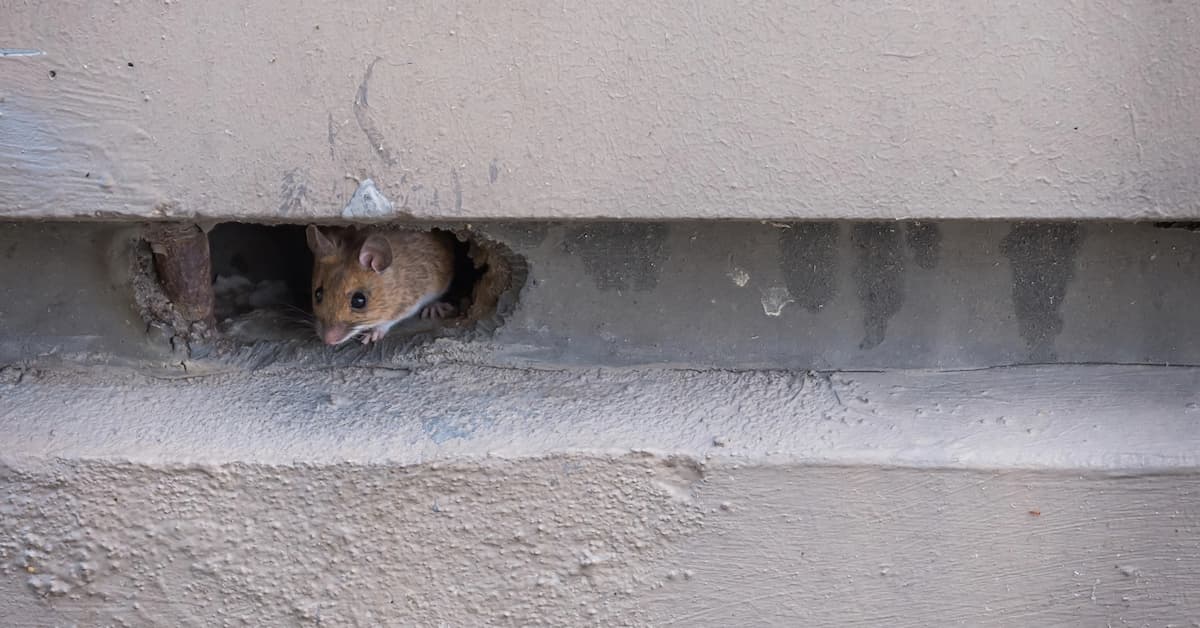
Rodent activity does not slow down when temperatures drop in the Treasure Valley. If anything, cold weather is exactly what sends mice and rats looking for a way into your home. X-Pest sees a steady rise in rodent calls every winter, and knowing what draws them in and how to spot the warning signs early can save homeowners a lot of trouble.
Why Do Mice and Rats Look for Shelter in Boise Homes
Rodents cannot survive freezing temperatures for long, so once fall turns to winter, finding warm shelter becomes urgent. A house offers everything a mouse or rat needs to get through the cold months: steady heat, hidden nesting spots inside walls and attics, and a food source close by.
Boise's mix of older homes and newer construction near open land means rodents often have an easy path indoors. Gaps around utility lines, vents, and foundation cracks are common entry points, and a mouse only needs an opening about the size of a dime to get through. Once rodents establish a nest inside a wall or attic, DIY traps rarely reach the full population, which is usually when homeowners start looking into professional rodent removal.
What draws rodents toward a specific home
- Accessible food sources, including pet food left out overnight, unsealed pantry items, and bird feeders close to the house
- Cluttered garages or sheds that offer nesting material and cover from predators
- Firewood stacked against the house, which creates a direct bridge from the yard to the exterior wall
- Gaps in the foundation or roofline that go unnoticed until an animal is already inside
What Are the Warning Signs of Winter Rodent Activity
Rodents are most active at night, which means many homeowners do not realize they have a problem until activity has been building for weeks.
Signs to check for
- Droppings near food storage, along baseboards, or inside cabinets and drawers
- Gnaw marks on wood, wiring, or packaging, since rodents need to chew constantly to keep their teeth worn down
- Scratching or scurrying sounds in walls, ceilings, or attic spaces, especially at night
- A stale, ammonia-like smell in enclosed spaces such as closets or under sinks
- Nesting material, including shredded paper, insulation, or fabric, tucked into hidden corners
Chewed wiring is worth taking seriously beyond the nuisance factor. Rodents damaging electrical wiring inside walls or attics is a known fire hazard, not just a repair cost, and it is one of the clearest signs that a home needs rodent removal rather than a wait-and-see approach.
How Can Professional Rodent Control Stop Winter Infestations
A single pair of mice can produce dozens of offspring in just a few months, meaning a small problem in November can become a serious infestation by February if left unaddressed. Sealing entry points is the step most homeowners skip when trying to handle rodents on their own, and it is usually the reason the problem keeps coming back. Trapping without exclusion just clears out the current population and leaves the door open for the next one.
A full rodent removal plan combines inspection, removal, and sealing of known entry points so the issue does not recur once the weather warms up.
Schedule Rodent Control With X-Pest
Winter is the season Boise homeowners are most likely to deal with mice and rats, and catching the problem early makes it far easier to resolve. X-Pest provides rodent inspections and rodent removal throughout the Treasure Valley, with a plan designed to stop current activity and prevent its return.